Exploring Below: The Top Excavation Services in ON
The process of excavation is a critical component of construction that often determines the outcome of a project. In Ontario, where diverse soil conditions and climatic challenges exist, selecting the appropriate excavation contractor can greatly impact deadlines, security, and costs. Whether Commercial Excavation preparing for a new home build, undertaking commercial development, or managing a simple backyard project, grasping the realm of excavation services in the province is crucial to achieving your aims.
This guide delves into the leading excavation contractors in Ontario, highlighting critical information that can help homeowners and businesses manage the difficulties of excavation. From grasping frost line depths to confirming compliance with safety regulations, we will address important considerations that impact excavation projects across the region. Join us as we examine the skills available to make your excavation endeavors effective while adhering to the utmost standards of safety and efficiency.
Grasping Digging Regulations in the province of Ontario
Excavational work in the province of Ontario is regulated by a series of laws constructed to provide safety and conformity with local laws. The Ontario Ministry of Labour provides directions on trenching safety and shoring practices that contractors must comply with to safeguard workers from dangers. These regulations emphasize the importance of preparation, worker training, and implementing safety protocols to prevent accidents and injuries during excavation projects. Understanding these lawful requirements is crucial for both contractors and clients to maneuver through the complexities of construction safely.
In addition, to security rules, there are distinct permitting processes in effect that differ according to the kind of excavation work. Home and commercial diggings each have their own set of criteria that must be satisfied before operations can commence. Contacting local conservation authorities is frequently essential to obtain the necessary permits, particularly for works that may impact natural environments or adhere to land use laws. Being cognizant of these obligations can help prevent delays and ensure that projects proceed without issues.
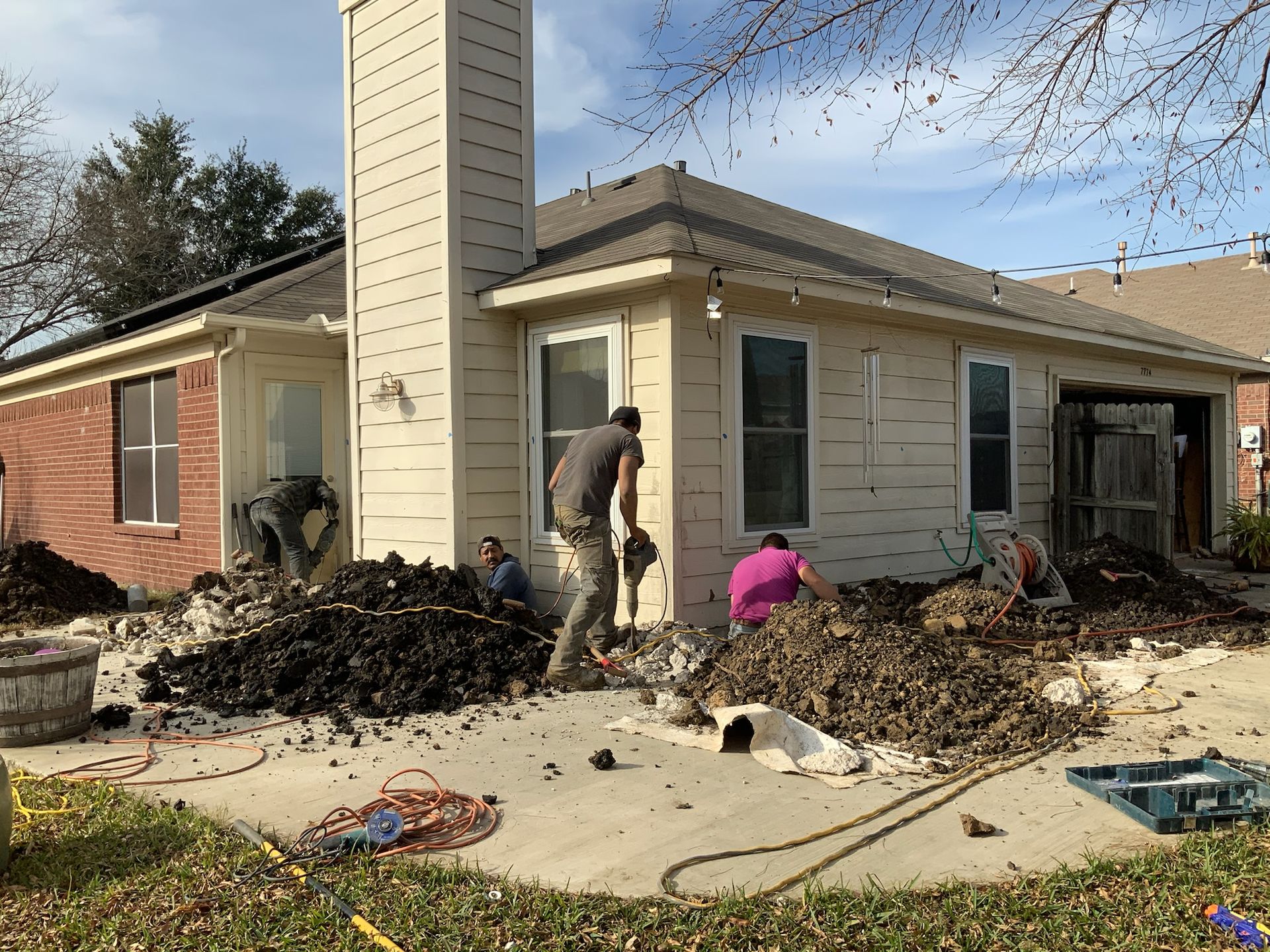
Moreover, those participating in digging must also consider environmental laws, such as managing excess soil and erosion control. Ontario's Excess Earth Management Regulations (O. Reg. 406/19) outline how excavation waste is to be managed, promoting sustainable practices and compliance with conservation standards. Proper handling of soil and waste not only protects the ecosystem but also improves the general effectiveness and lawfulness of digging operations.
Key Techniques and Challenges in Excavating
Excavating tasks require a multitude of methods to ensure effectiveness and safety while achieving the intended outcomes. One of the key techniques is soil compaction testing, which helps assess the stability of the earth before pouring foundations. Proper compaction ensures that buildings can withstand significant loads, preventing subsequent settling or foundation defects. Incorporating trenching safety standards is also essential, especially when working near utility lines. Contractors must navigate Ontario Ministry of Labour rules to keep workers protected and in accordance.
Another typical challenge in excavation is dealing with different soil types, especially heavy clay in the Greater Toronto Area. Excavation Contractor can be problematic to excavate and often requires tailored equipment to handle. Contractors must have a thorough understanding of the local land composition to adapt their techniques as needed and mitigate potential delays. Effective soil handling ensures projects remain on schedule and within budget, addressing problems like drainage and compaction.
Cold season excavation poses extra difficulties given the hard ground and potential for bad weather conditions. Contractors employ particular techniques to effectively dig through frost, ensuring they can meet project timelines without compromising safety. Moreover, understanding seasonal impacts, such as thawing, is crucial for maintaining the integrity of the site. By addressing these challenges directly with cutting-edge techniques, excavation contractors in Ontario can successfully navigate the challenges of their projects.
Top Guidelines for Site Preparation and Oversight
Effective site readiness is vital for the effectiveness of any digging endeavor in Ontario. This begins with a meticulous evaluation of the site, which should encompass an evaluation of the existing topography, soil quality, and any possible hazards. Contractors should also make sure that they are familiar with the local geography and climate, as both can significantly impact excavation schedules and techniques. By performing a comprehensive site assessment, possible issues can be detected early, helping to prevent expensive delays during the excavation operation.
Another important element of site preparation involves appropriate planning and compliance with regulations. Contractors must obtain the required permits and follow to the Ontario Ministry of Labour guidelines regarding trenching security and shoring. This includes implementing proper shoring techniques and ensuring a secure working environment. Engaging with Ontario One Call before beginning any excavation work is also critical to avoid damage to underground utilities, ensuring that all parties are informed and safe.
Lastly, proficient site management involves implementing erosion and sediment control strategies, particularly in sensitive areas. Creating swales and properly grading the lot can help manage water drainage efficiently, avoiding flooding and soil erosion. Additionally, safeguarding tree preservation zones is essential for maintaining the ecological balance and abiding with local conservation authorities. By adhering to these top guidelines, excavation contractors can improve their workflow, comply with standards, and contribute to positive project outcomes in Ontario.